Tag: Blog

  • On A.I.

    On A.I.

    When ChatGPT first released back in, like, 2023, I was so annoyed with people always wanting to talk about Generative A.I. and its consequences. Not because I didn’t care, but because I thought it was so obvious that A.I. was bad that it was physically frustrating for me to hear people argue about its “good uses.” And, I thought that maybe if everyone ignored it, it would just go away. 

    Well. 

    Flash forward to 2026, and I don’t think there’s ever a 20-minute period where I’m not looking at, hearing about, or even interacting with some form of artificial intelligence.

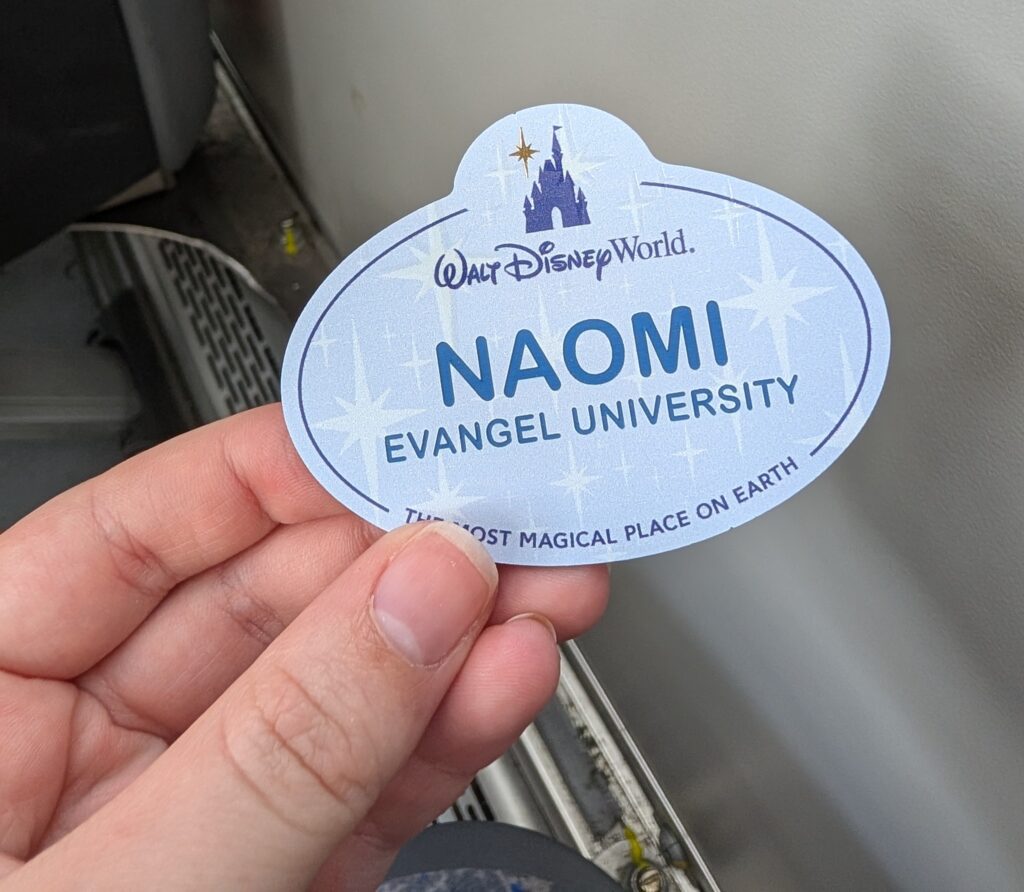
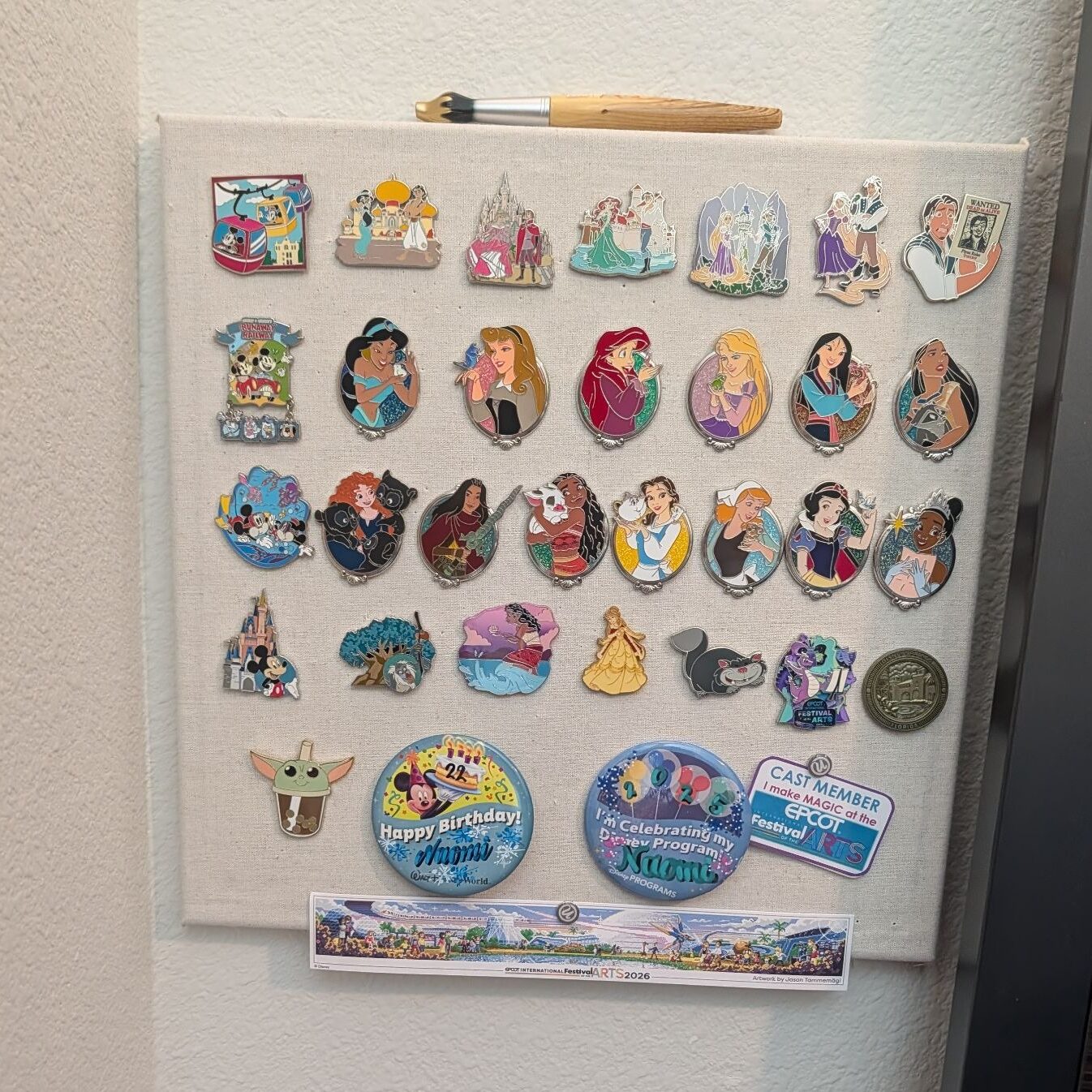
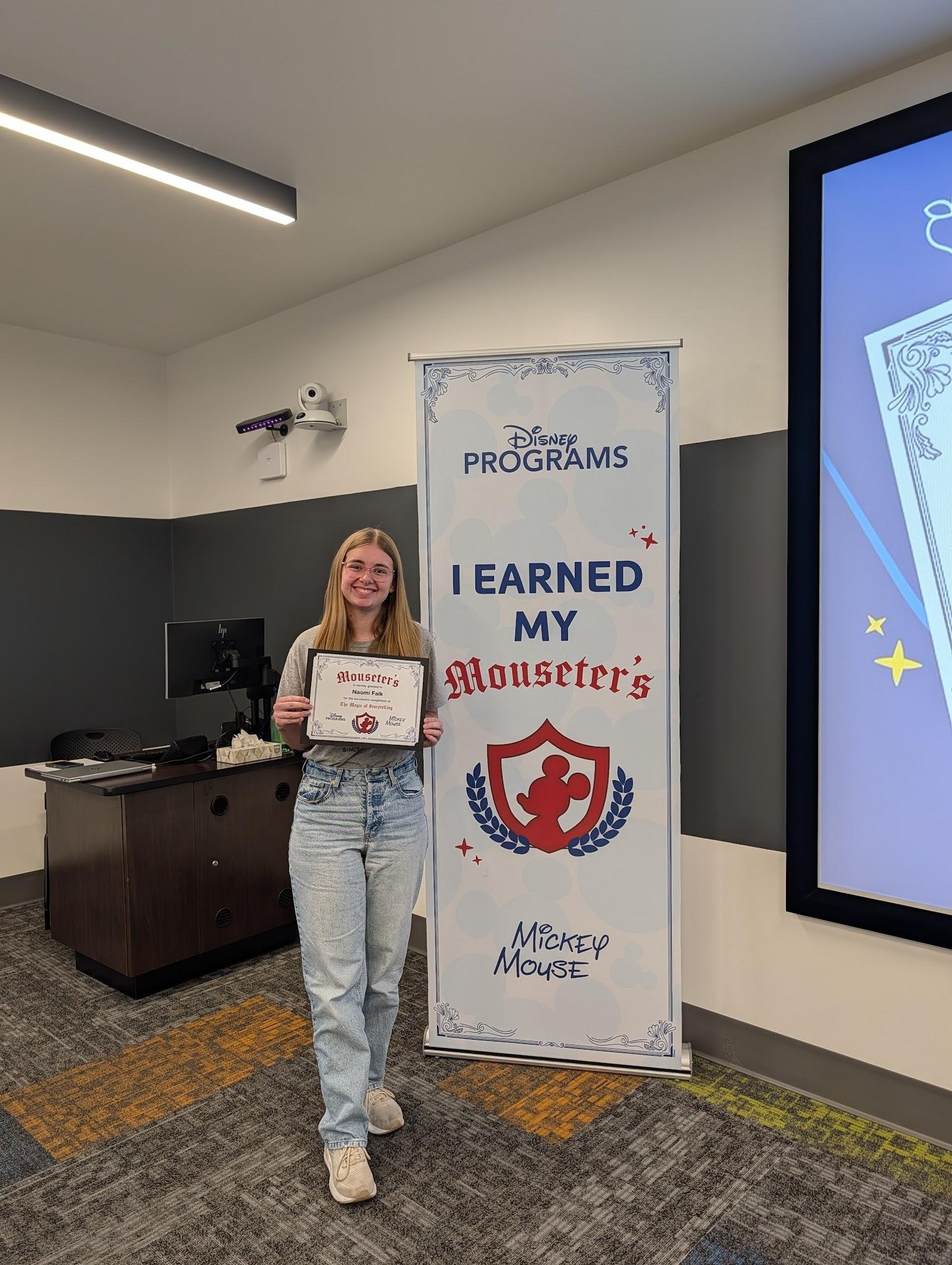
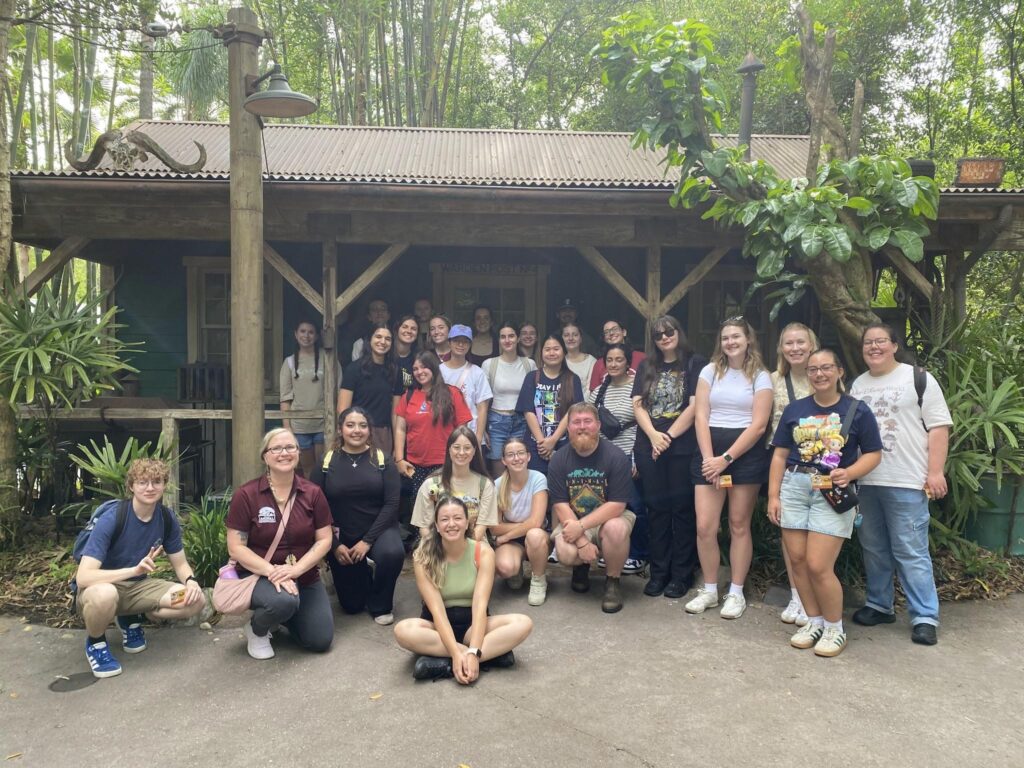
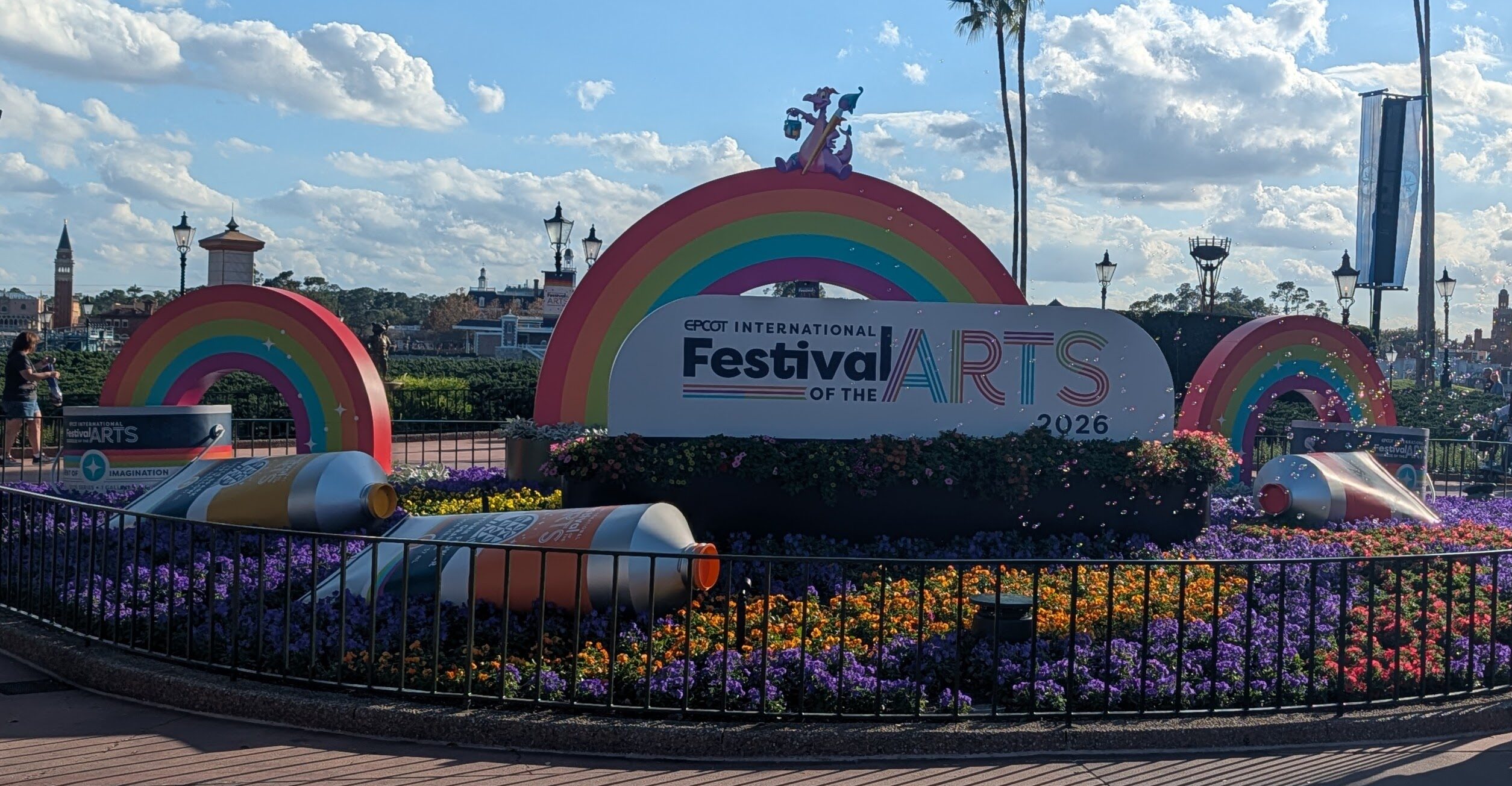
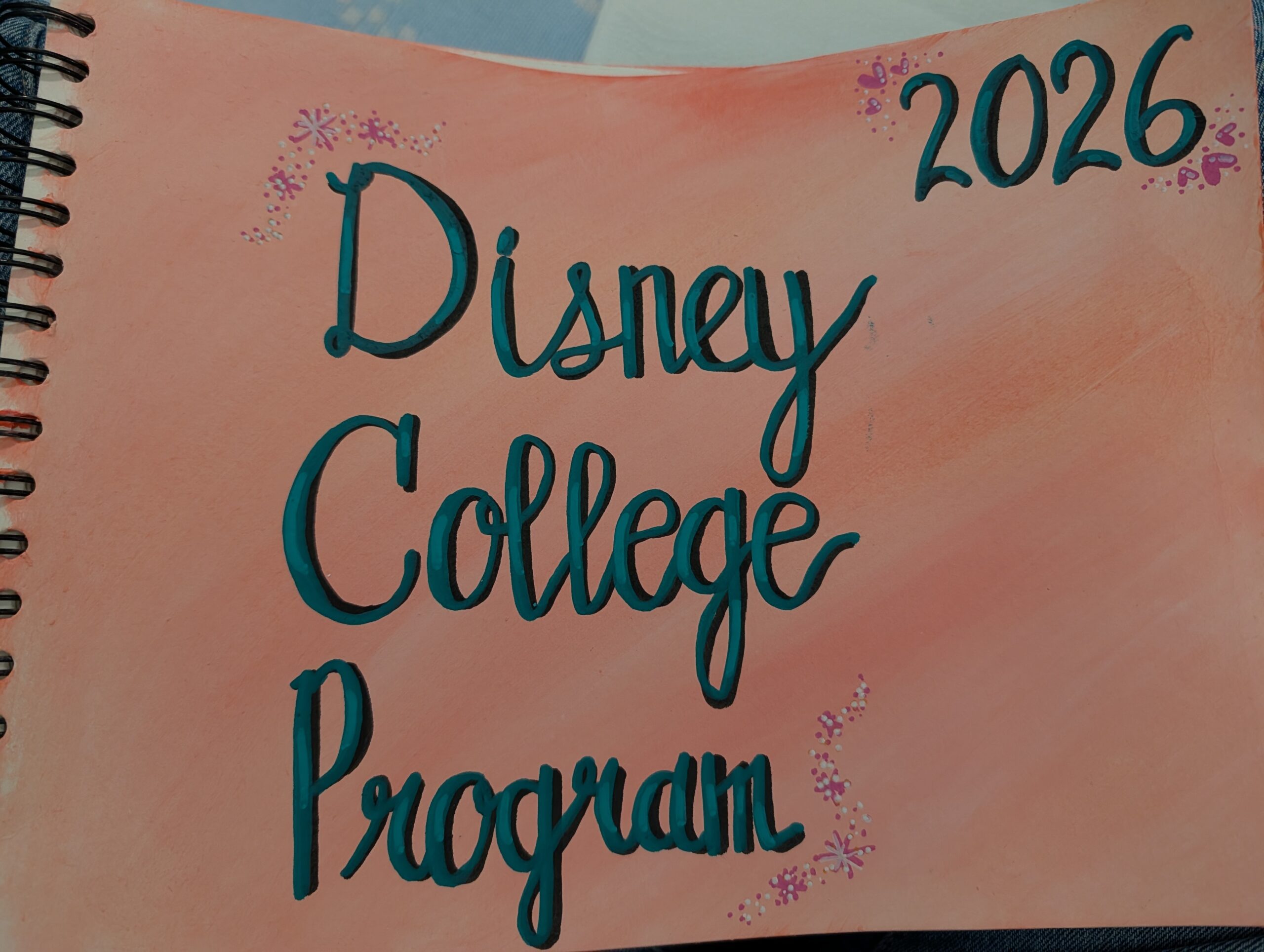
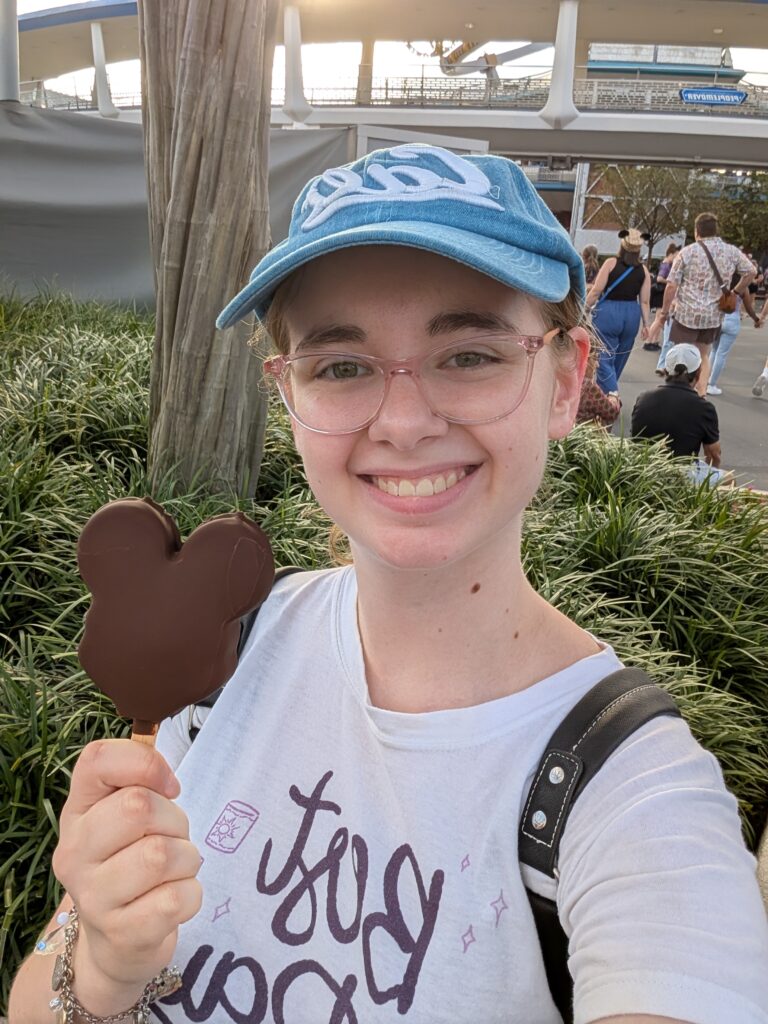
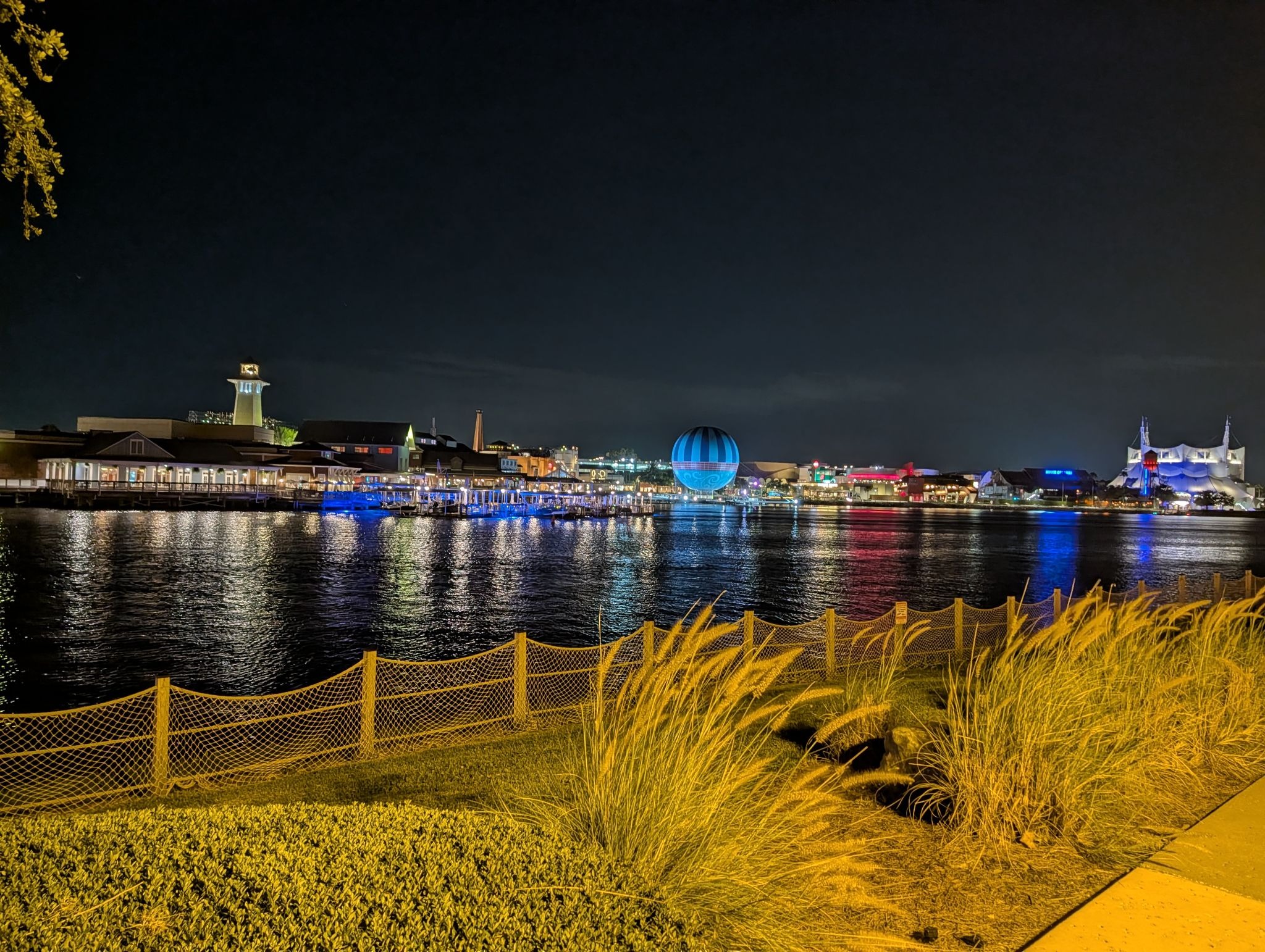
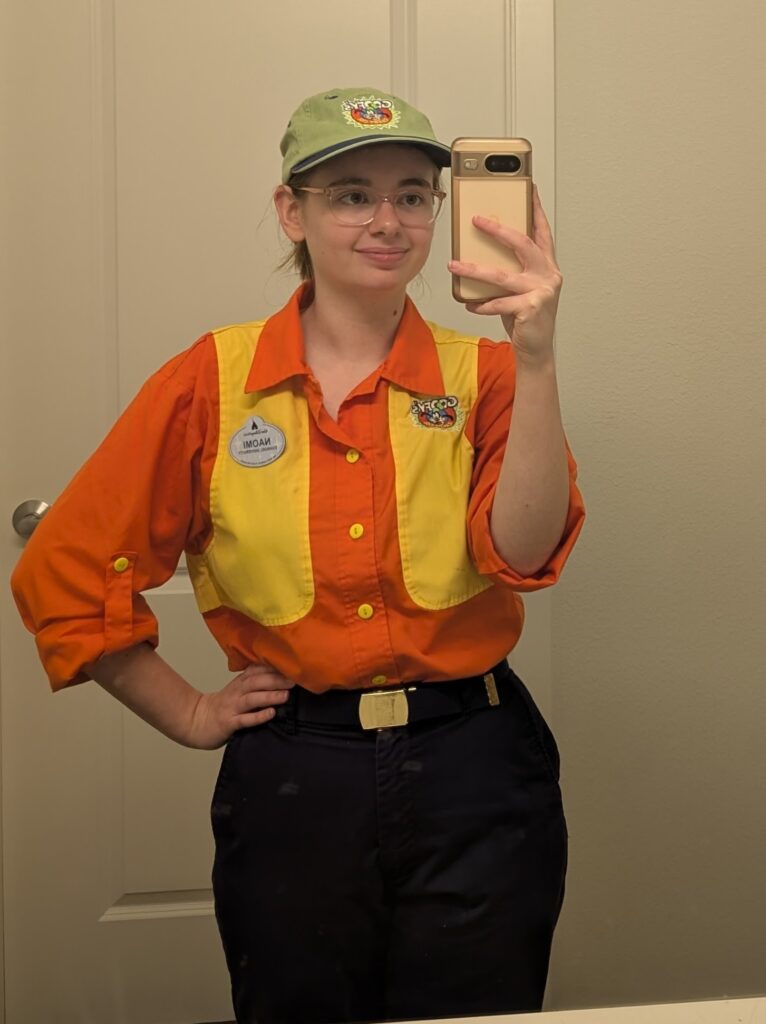
    All of this to say, I’ve been thinking about A.I. a lot the past few weeks, and that mostly has to do with my current job. Most of you reading this probably know that I’m on the Disney College Program right now, and that my role is merchandise in Disney Springs. But for the last six weeks, I was temporarily deployed to EPCOT for the Festival of the Arts, which started in mid-January and ran until February 23rd. I worked merchandise, which meant I got to work at all the booths that featured artwork from various Disney artists. It was so cool to get to learn about all the art and meet the artists, too. 

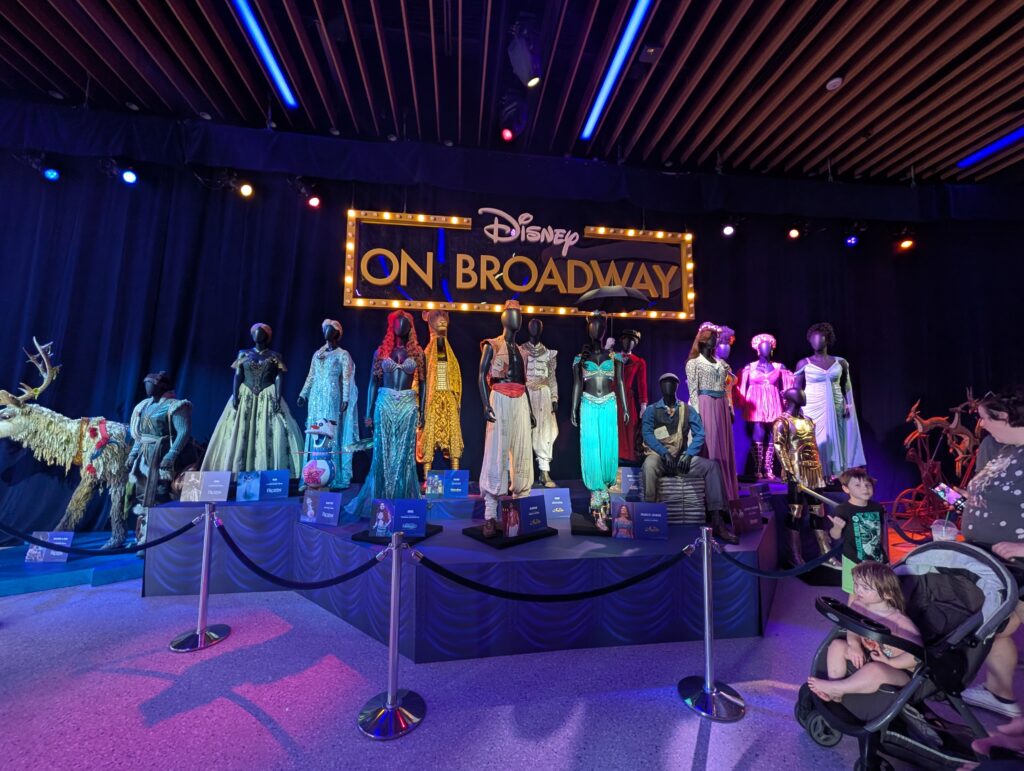
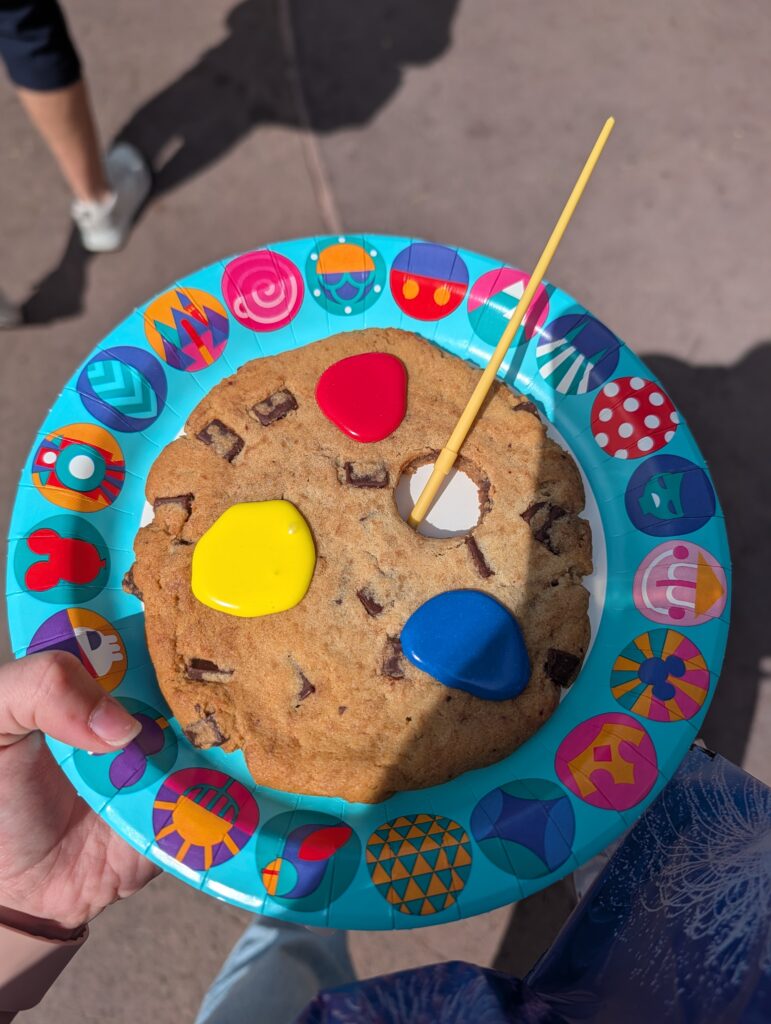
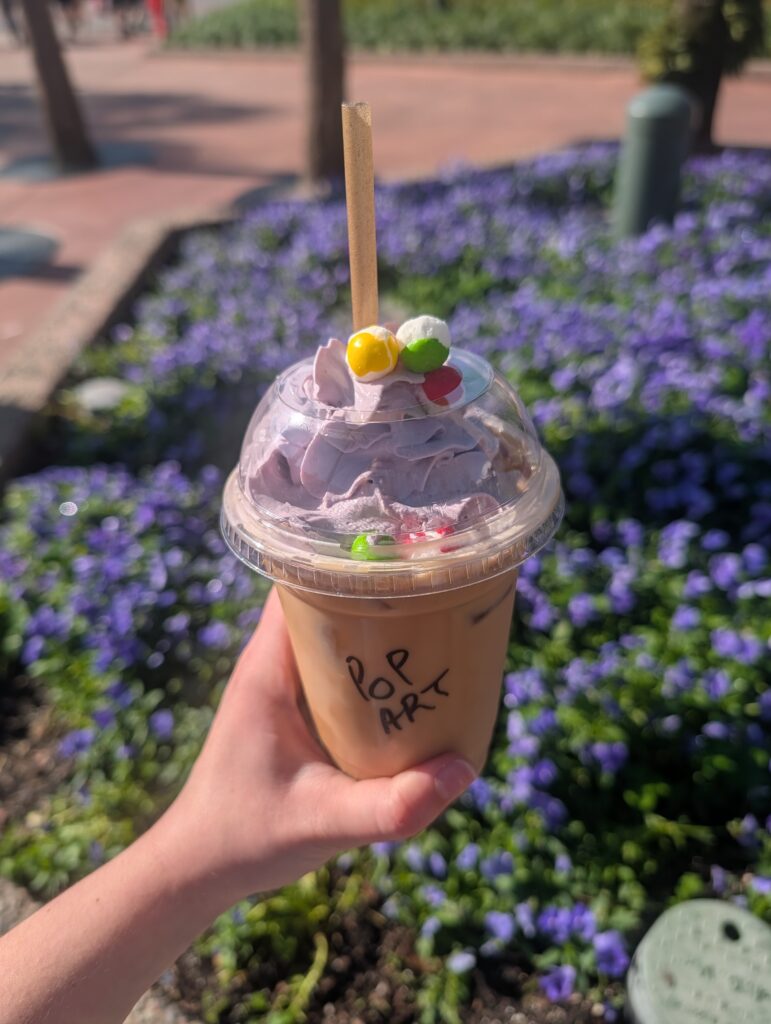
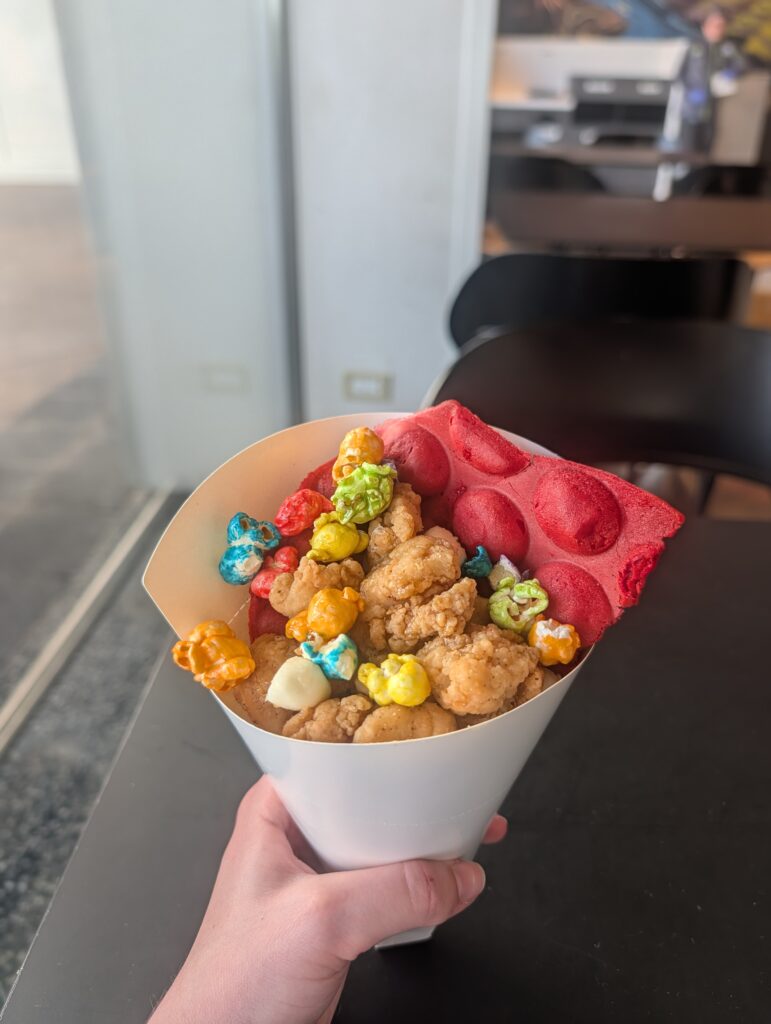
    Besides the artist booths, the festival had other experiences, such as a museum of original Broadway costumes and props, performances every night from the original Broadway actors from different Disney shows (I got to watch some of those while I was working–the dream), animation/drawing classes, a giant paint-by-number mural, and of course very good (and very colorful) food. 

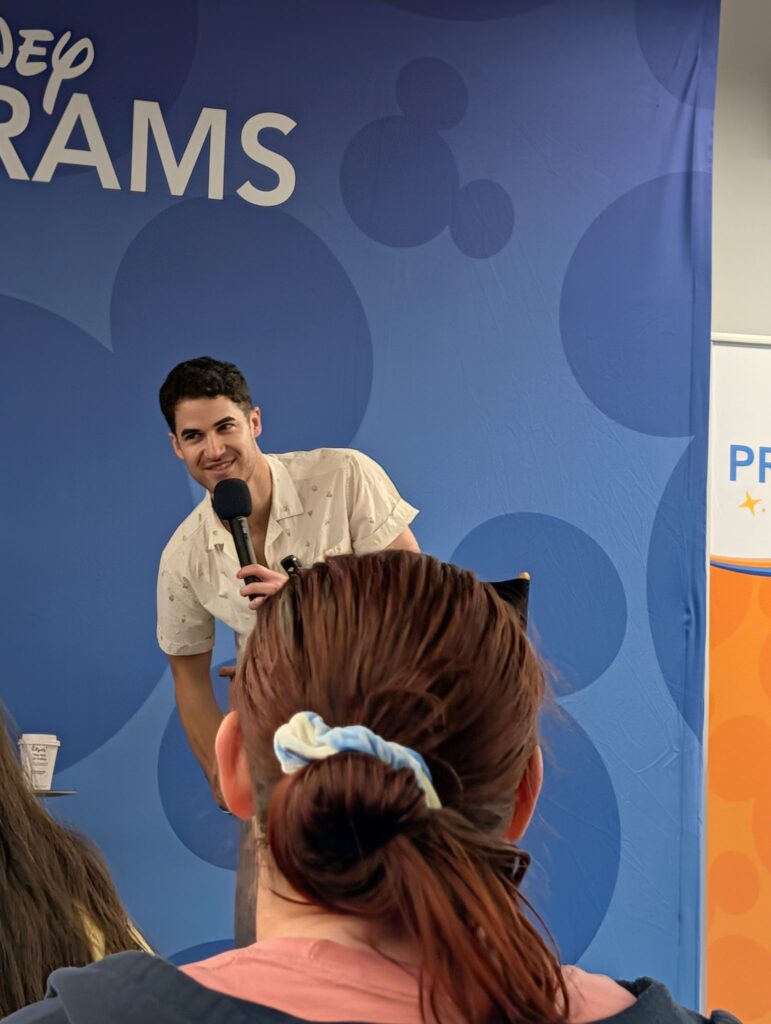
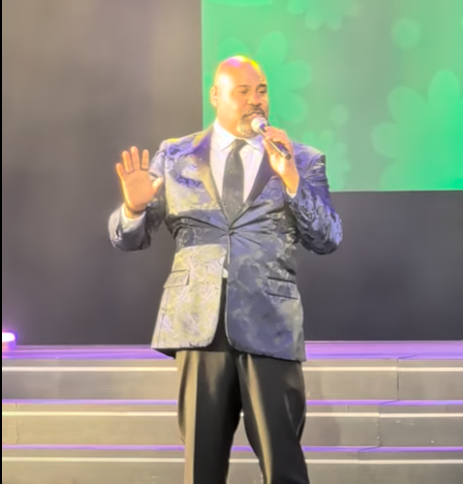
    During this festival I got to experience probably the best night of my entire life, which was hearing James Monroe Iglehart (!!) sing “Bigger Than That,” one of my favorite songs from one of my favorite TV shows (“Tangled: The Series”). I could write a whole blog post about that. 

    James Monroe Iglehart

    But I digress.

    Anyway, seeing all of this art, music, and performance got me thinking. Because during the midst of this festival, as I was experiencing all of this human art, I was also hearing a lot of news about A.I. “art.” From the announcement that Disney Plus will eventually platform A.I.-generated videos, to seeing more and more A.I. content on social media, it seems like the world is becoming enamored with the artificial.

    So in this age of constantly having to decipher what is real and what is too good to be true, how do we define what actually makes a work of art? Is it the creation itself? Or does the creator have something to do with it? And if so, what makes a good creator? In this essay I will–

    Just kidding 🙂 This will not be an essay. Just a silly (but potentially long) blog post 😁 

    So…buckle in. Lol. 

    We’ll start with the art itself. What makes a good creation? And what makes something “art”? In my opinion, every good work of art has a story. Story is, arguably, the link that connects all of humanity. We all have stories, and there are even many specific stories that transcend culture and language (like “Cinderella”– there are a thousand different versions of this one story). In order for any song, painting, or movie to connect to its audience, it must have a story. 

    Think about going to a band or orchestra concert. What happens before the musicians start playing? Usually, the director talks a little bit about the composers and the pieces that will be performed that night. Although it’s obvious that there is a story behind the music, and the music can carry the story on its own, knowing the story heightens the impact of the notes. Meaning comes from that connection between the audience and the sound. 
    And if you’ve ever watched one of those reality TV talent shows (The Voice, American Idol, Dancing with the Stars, etc.) what do they include before every act? That’s right: an incredibly sad story about the person who’s about to perform. Why? Because they know that the story is going to be what ultimately captures viewers. 

    Even sports have stories. Athletics, in my opinion, is not that different from theater. We love sports for the “story.” It’s live entertainment, we assign teams “roles” like “underdog,” and we root for a specific outcome for our favorite characters (oops, sorry–“teams”). We even judge games based on how fun they are to watch and criticize the actions of the players. “Can you believe that last play?” Sometimes there are even unreliable narrato– referees.

    It all comes back to the story.

    My favorite part about working at the Festival of the Arts this year was getting to hear the artists’ stories. Sometimes they talked about what inspired the piece, how they decided what media to use, or just their artistic process. One sentiment that many of them expressed was the fun/joy that they had in the creating process. There are many pieces that I look at differently now because I’ve heard the story behind them. 

    And speaking of artists, if a good creation must have a story, then that story must have a creator. So what makes a good creator? Well, I think that in this case, maybe we should look at the Creator. And here’s where my Christian worldview kicks in. 

    First and foremost, I think a good creator is intentional; they create with a purpose. If I were to say that nothing about the world mattered, everything was random, God just kind of snapped His fingers and everything appeared, and then He stepped back, most Christians would probably have to disagree. Every single piece of the universe has a purpose. The Earth is situated in the exact position to support life. All life on Earth is part of the same give-and-take life cycle. Every organism in this cycle has a purpose and plays a part in what makes life possible here. I think that was all very intentional. 

    I think good creators are also thoughtful and create in their own unique voice or style. And when we create like this, we are following the example of our Creator. Many Christians subscribe to the idea that we are made in God’s image. What does this mean? Essentially, we have God’s fingerprint indented into us. Just like how you can tell if something is written by C.S. Lewis, painted by Picasso, or composed by Lin-Manuel Miranda (That was probably the most random list of people I’ve ever come up with!), we all have a similar “touch”: God’s. 

    To finish out this section, I think good creators take pride in their work and care about their creation. And both of these ideas are needed. Sometimes we don’t care how the work is done. The process is just a means to an end, and as long as it gets done, who cares what happens in the middle? 

    This is where generative A.I. comes in. It’s so easy to just say, “I want a painting of this sunset,” and plug a photo into any A.I. generator and get an instant result. There, the work is done, and you have a “painting.” Or you can say, “I need a four-page paper on the history of film,” and plug in the assignment details and get an essay in three seconds instead of three hours. 
    But if, at the end of the day, we’re all plugging prompts into machines and sending in identical “it’s not x–it’s y” sentences and “uncanny valley” images, what is the point of any of it? When we’re applying to jobs and all sending in the same A.I.-generated cover letter, how are any of us going to stand out? When we’re submitting portfolios of our work and it all looks the same, how can we expect anyone to recognize our artistic styles? Twenty years from now, will you be able to point to anything you did and say, “That’s my work, and I’m proud of it, and I can defend it”? Or will we become so dependent on a lifeless technology that we forget that the work, the human touch, is the whole point? 

    The problem is, we’re conflating premise and plot. This is something that many writers run into when planning their novels/screenplays/etc. Essentially, a premise is an idea. When someone says they have an idea for a book or a movie, it’s a premise. A premise is usually a “what if” question: 

    “What if toys were sentient?” (Toy Story

    “What if cars were sentient?” (Cars

    “What if emotions were sentient?” (Inside Out

    When we plug prompts into ChatGPT or any generative A.I. platform, we’re plugging in premises, not plots. 

    Plot is what actually happens in the story. When writers have an idea for a story, they start with the premise, or the “what if.” But they soon learn they need more than that to actually write the book. Who are my characters? What is my story structure going to be? How will my main character move through the Hero’s Journey? 

    Many stories exist that have good premises, but the actual plot, or story, didn’t really quite live up to it. That’s because a premise, no matter how good it is, is not enough to create a story. A.I. generates based solely on premises, and no matter how “good” the premise is, the final result will always fall short, because there is no mind creating a story, only a computer generating a product. 

    Ok, now I’d like to present some common arguments I’ve heard in favor of generative A.I., and my thoughts on them: 

    1. Everybody’s doing it/we have to keep up with the times/keep up with the rest of the world

    This argument is interesting to me, especially when it comes from a Christian perspective because, for the most part, Christians place a large emphasis on not conforming to the world or doing something just because everyone else is doing it. 

    And if your argument is just that “everyone else is doing it,” let me channel my inner ‘cliche sitcom dialog enthusiast’ and say, “If ChatGPT told you to jump off a cliff, would you?”

    1. It evens the playing field 

    There’s this myth that you have to “have the best stuff to make the best stuff.” Some say that A.I. evens the playing field for those who want to create art/produce songs/make movies that don’t have all of the resources that industry professionals do. 

    I’d like to argue, however, that some of the best art has come out of places where resources were limited. Because creativity is about doing more with less. Think about all the Disney movies that have come out in the past six years. How common has it become to see movies that are almost instantly forgotten? Strange World, Moana 2, Wish, the live action Lilo and Stitch, etc. These are not movies that did badly in the box office (it’s Disney–they’re going to make money no matter what), but they are movies that didn’t really leave much of an impression on the audience (generally). This is because of the opposite effect that having resources can create: the more money and support you have, the less pressure there is to create something “good.” Disney is now implementing A.I. into their streaming service. Why? Because they don’t need the human touch anymore, they need products that sell. 

    1. It saves so much time/I can focus on “more important” things 

    This argument is, again, interesting from a Christian perspective. Many Christians believe in a literal seven-day creation, in which the world was created in seven 24-hour days. Now, of course, we cannot “for sure” know how the world was created (and this topic would also be a whole other post). But I have a hard time believing the entire world sprang up in seven days when everything else about God’s creation suggests that growth takes time. Seeds take weeks to produce fruit, seasons come around in months, the earth takes a year to orbit around the sun, a human brain takes 25 years to develop, etc. Nothing worth anything happens instantly. There’s value in struggle, reward in patience, and worth in the work. 

    Now, it is possible that artificial intelligence has its uses, especially non-generative A.I. My youngest sister was recently diagnosed with Type 1 diabetes. Apparently, A.I. is being used to develop an insulin pump that automatically calculates how much insulin your body needs and provides it, without you having to pre-calculate how many carbs you’re going to eat. This is the kind of tech I can get behind. 

    A.I. may even have its uses in other aspects of the world. I’m sure some of the elements I used to design this website are somewhat A.I.-powered, so I really can’t judge anyone. The point of this blog post is not necessarily to campaign for A.I. to be eradicated…but I do think we would probably be better off without it anyway 😂

    So what to do with all of this? I’ve just written five Google Doc pages (and if you’ve made it this far, you’ve just read five Google Doc pages) about A.I. How to conclude?

    I guess my main point is this: It’s important to engage in humanity. The world is so divided right now; what we need is more human connection, more of a human touch, not less. As an English major, my field of study was under the “humanities” umbrella: an area of academics that studies art, religion, history…essentially what it means to be human. But, of course, you don’t have to have majored in the arts to engage in humanity.

    There is so much to be gained from human creation: reading a book, watching a movie, going to a live performance, listening to music, etc. And there is so much to be gained from being a creator: writing, performing, crafting, painting, etc. 

    In a world of instant gratification, find joy in the process before the product.

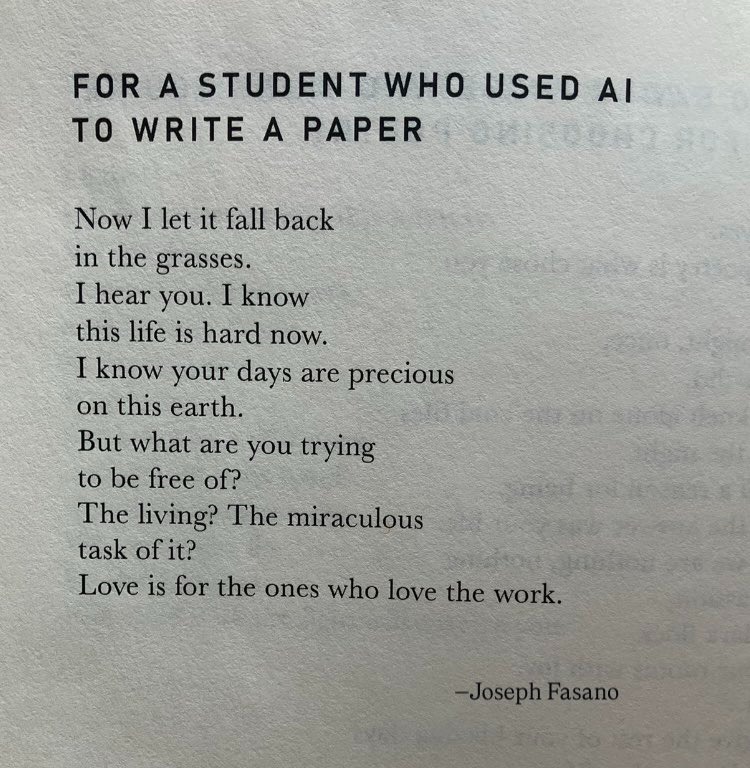
    A poem I like that I found recently

  • Pieces of Liberty

    Pieces of Liberty

    Author’s Note:

    I have another blog post that I’ve been working on–just something fun, but with all the recent events I feel strange posting a bunch of silly stuff right now. So, I’ve decided to wait on the first idea and post this instead.

    “This” is a short piece I wrote for my expository writing class a little less than a year ago about my family’s experience visiting New York City in 2024, braided with the history of the Statue of Liberty and a family member’s immigration to the United States in the 1920s.

    With all of the horrible things ICE is doing in our country right now, I thought I would share this piece again. Every person living in the United States is an immigrant. We all deserve to feel safe in our cities and our homes.We are all created equal. We are all people.

    Final note–this is a creative non-fiction piece. It is loosely based on a family member’s immigration to the U.S., but I took a lot of creative liberty, as I do not have much information on the family member.

    Pieces of Liberty

    When the Statue of Liberty was completed, it had to be sent over in 350 individual pieces, packed in 214 crates. These pieces were shipped from France on the frigate Isère, finally arriving in New York Harbor on June 17, 1885. Unfortunately, the base for the statue had not been finished yet, and all of the pieces of Liberty sat, waiting, for another year until they would be put together again. 

    ***

    Before August of 2024, no one in my immediate family had ever been to New York City. Like everyone else who’s never been to New York City, all of our expectations were based on what we’d seen in movies and TV shows: shiny skyscrapers, lots of bagels, and maybe even meeting a celebrity. Technically, we weren’t even staying in the city; we had a hotel room in New Jersey. There are a few ways to get to New York City from New Jersey. You can drive there (which we did the first day), or you can take a ferry (which we did the third day). There are a lot of moving parts when you’re a family of seven trying to get everyone from New Jersey onto the ferry and to New York City all in one piece. It’s a lot easier to use a buddy system. We split into groups of two or three and found spots on the ferry. We sat, and we waited. 

    ***

    Somewhere in Poland, in the late 1920s, a young woman is about to board a ship to America. Her parents are already there, waiting for her. What were her expectations? Had she heard the myths about streets of gold? The American Dream? Maybe her parents had already told her what it was like. Mildred Bloom sits with the other passengers on the ship, and she waits. 

    ***

    We decided to take the ferry for a few reasons. One, because we were visiting my great uncle, and he likes the ferry. Two, this is how we would see the Statue of Liberty. Of course, it would be kind of far away, so we wouldn’t get to see it up close, but we’d still get to see it. I frequently get motion sickness, and unfortunately I left my non-drowsy motion sickness pills back at home. I only had the regular ones that made me sleepy. I decided I could tough it out. It’s not like we would be going over the real ocean. Rachel [my sister], who also gets motion sickness, decided to take one of my sleepy pills. “Don’t do that,” I tell her. She shrugs, and pops one in her mouth anyway. “You’re going to regret that,” I say. 

    ***

    Mildred Bloom was Jewish. Who knows why her family decided to move to America? This was Poland during the 1920s. Maybe they could already sense what would be coming in the next decade. Maybe they knew they should leave before it was too late. During the 1920s, almost 3 million Jews lived in Poland. By 1945, only about 300,000 would remain. 

    Mildred would not have had motion sickness pills. 

    ***

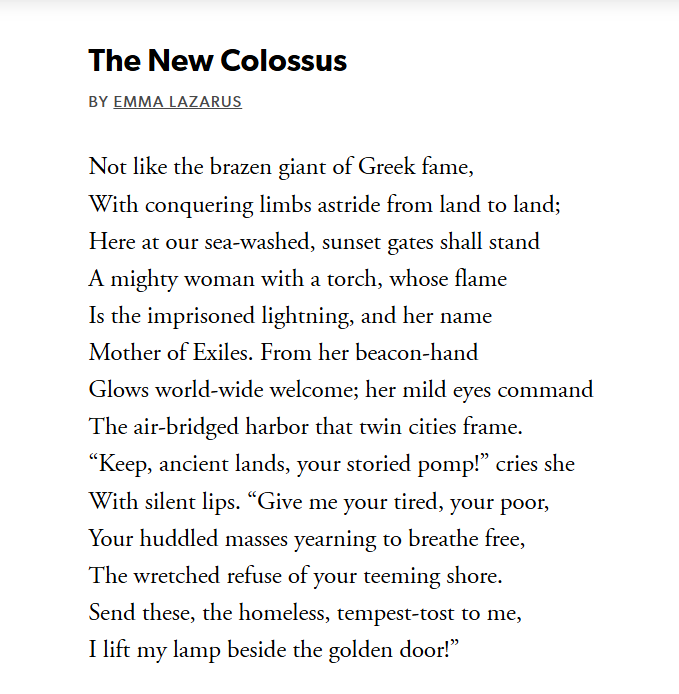
    On October 28, 1886, the Statue of Liberty was officially unveiled and celebrated by thousands of spectators. But before that, in 1883, the United States was still attempting to raise funds to build the pedestal. One way that funds were raised was through auctions. Poet Emma Lazarus submitted her sonnet “The New Colossus” to an art and literary auction. In 1903, this poem was put on a plaque in the pedestal. The most famous line of this poem reads: “Give me your tired,

    ***

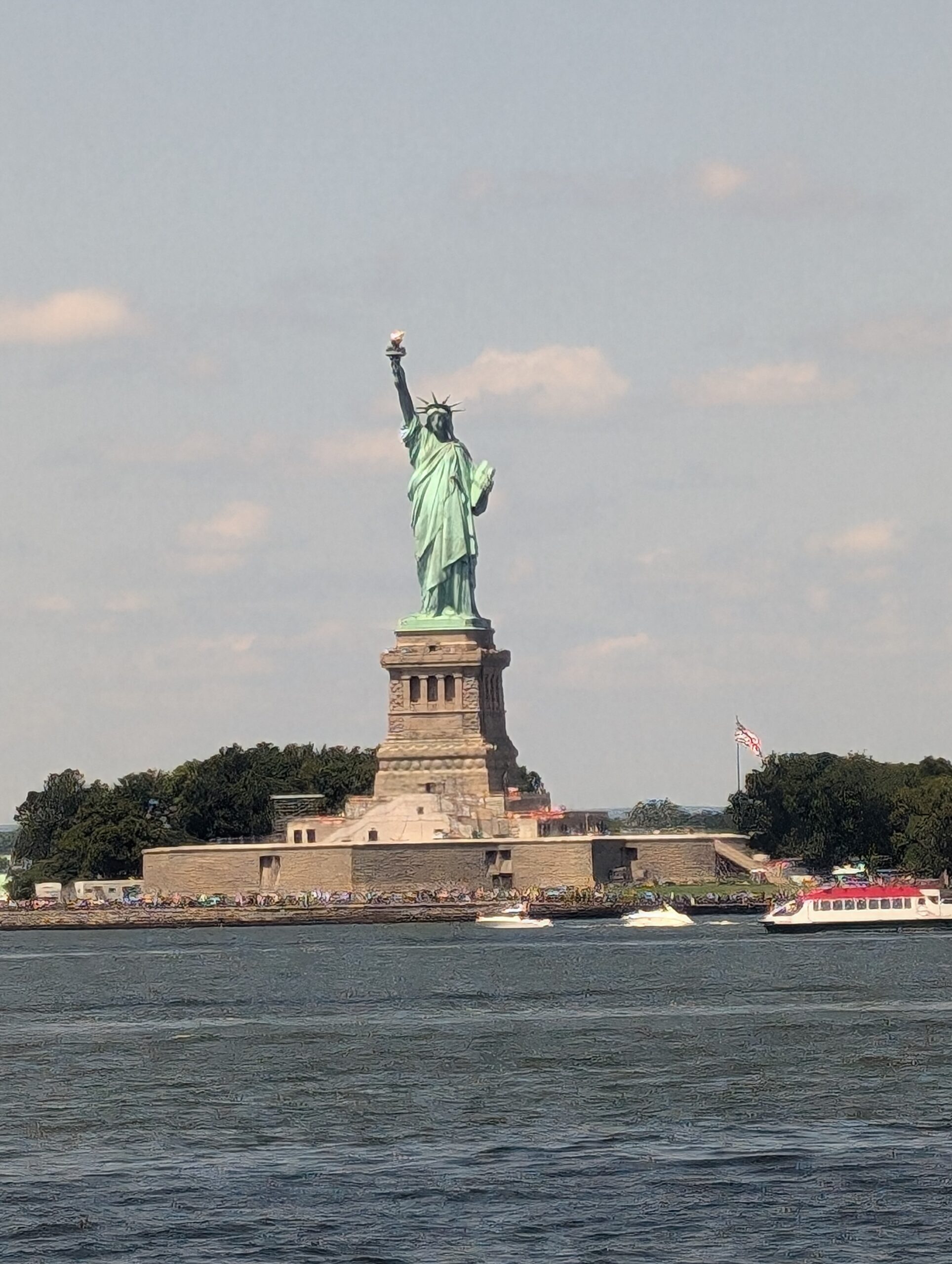
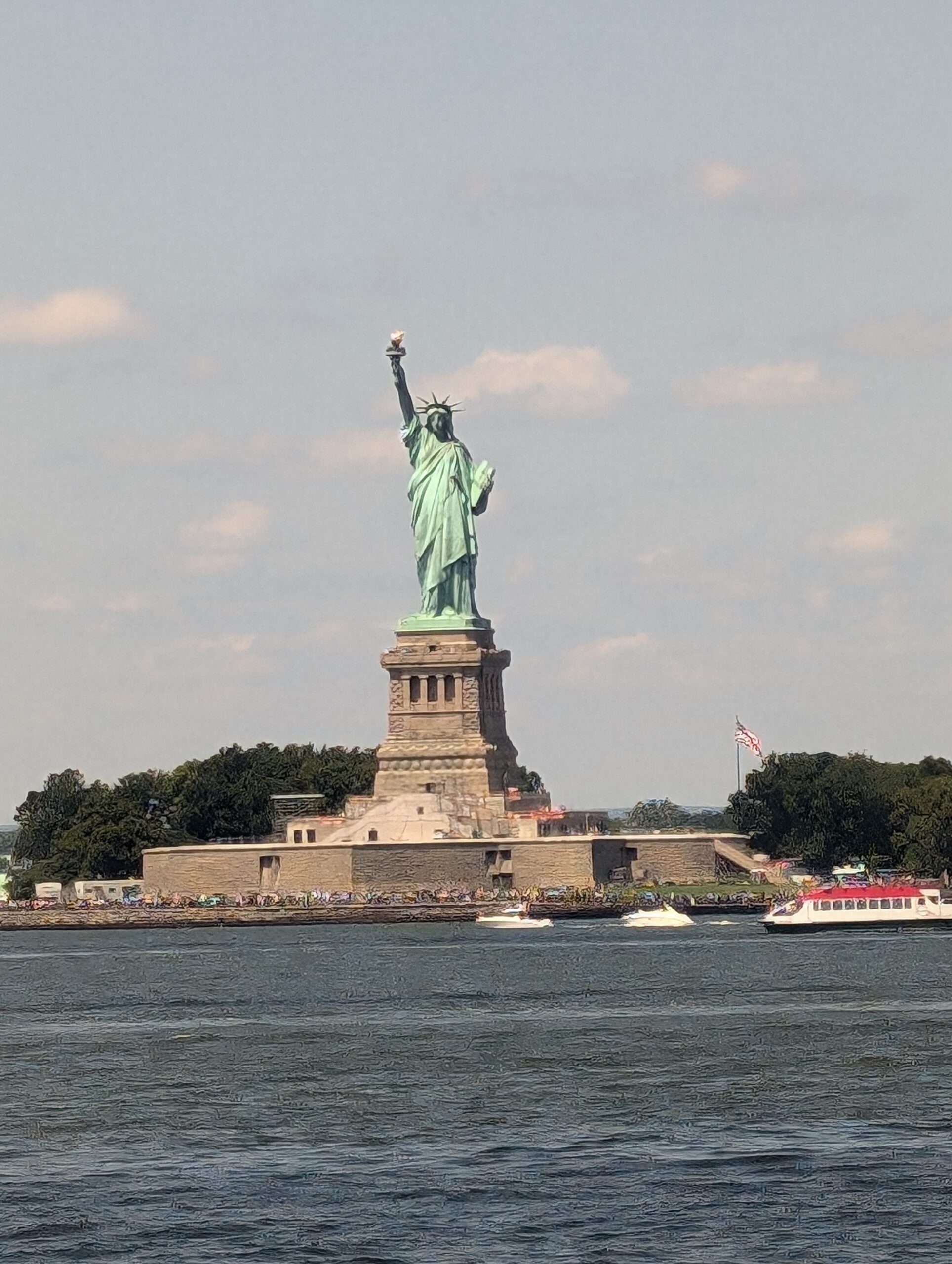
    I look over at Rachel on the ferry. She is conked out, her head resting on the window. I smile. I knew this would happen. “Look,” I say, shaking her awake, “there’s the Statue of Liberty.” It’s small, a little green figure in the distance. I pull out my phone and zoom in. There is Liberty, holding up her golden flame, welcoming our little ferry. 

    ***

    your poor, 

    ***

    Also aboard the ferry are locals. For them, this is their commute to work. You can tell who the locals are by looking at who’s standing at the windows, zooming in with their cameras to catch the slightest glimpse of a green statue, and who’s sitting down on a bench, looking at a newspaper, or a phone, unbothered. The city isn’t all glitz and glamour. The city is also shadows, people doing whatever they can so they can survive just one more day. 

    ***

    your huddled masses yearning to breathe free.”

    ***

    Sometime in the late 1920s, Mildred Bloom sees the Statue of Liberty as her ship approaches the city. When the boat docks, hundreds of passengers exit with her onto Ellis Island. In the next few years, Mildred will marry Leo Falk, another Jewish immigrant, and have two sons: my grandfather and my great uncle. But that’s later. For now, Mildred breathes. 

    ***

    About 100 years later, my family steps off the ferry and disappears into the crowd of 10 million people that day, breathing, in New York City.

  • On “Writing Poorly” and Perfectionism

    On “Writing Poorly” and Perfectionism

    Last week, I noticed I accidentally left a space between the last word of a sentence and the period in my blog post. One post in and the perfectionism is already up and running, lol. (Side note–there have been many times I’ve wanted to put “lol” in my academic papers…words cannot describe the joy I feel right now.) The funny thing is, I’m sure there’s something more important that my brain could have latched onto as a “mistake” in my last post, but I kind of love that it was the extra space. Something easily fixable. I may leave it, though. For posterity. (I am well aware that phrase makes no sense here; I just love saying “for posterity.”)

    I feel like most writers/creatives struggle with some version of perfectionism, and I think a lot of that comes from how we’re trained to judge things in society. In school, all of our writing/art/music is graded on a scale from 0-100. Movies are rated with percentages on Rotten Tomatoes. Songs are ranked on Spotify. Books are rated out of five stars on Goodreads (and there are no half star options)! Everything has a number nowadays, and I think that this “easy” rating system is hard to escape. So, writers such as I end up spending days staring at that vertical blinking line on a blank Google Doc, almost begging it to “do something, please.” 

    A while back, I saw this Reddit post on a writing subreddit discussing editing as you go/making the first draft perfect vs. writing “poorly” and editing later. I think most people do a combination of both, depending on what they’re writing. As I was thinking about it though, I’ve realized that I love writing “poorly” for my first drafts. I love placeholder names, saying “insert correct word here,” word vomiting…all of it. Even as I write this post, my paragraphs are filled with highlights and brackets and things to come back to. The truth is, I’m going to end up editing what I think is “good writing” anyway, so I might as well work on the bigger story first and the small things (like, say, extra spaces) later.  

    But thinking about all of this has made me realize how much of it I can apply to “real life.”  I’ve always hesitated to do things that I didn’t think I could be “good” at or get praise for. I procrastinated on my pre-calc homework in high school, not because I didn’t want to do it, but because I was going to get the questions wrong anyway, so why even bother? I had an art class my freshman year of high school that I switched to a piano class after the first semester because I was “better” at piano. I don’t sing along to songs because I don’t like my singing voice. 

    To some degree, I think I even chose to be an English major because I knew that’s what I was “good” at, and it seemed like that’s what everyone else did, too. The music majors were good at music; the math majors were good at math; the Biblical Studies majors memorized whole books of the Bible (small Christian college, remember?). Over the course of three years, however, that choice became more than just about whether or not I was a “good” writer. Specifically, there was one semester of my senior year where there was a unit on poetry, and I had to come to terms with the fact that this was not going to be something I was naturally “good” at. (I’m a rambly writer, and I love my filler words…the poets do not appreciate this.)

    Since then, and this past year specifically, I’ve realized it really does not matter whether or not I or someone else thinks I’m “good” at something. I’ve started doing things because I enjoy doing them. Just a few minutes ago, as I was writing this, I took a brief pause and realized how much I love the writing process. It’s like a jigsaw puzzle–the fun part is putting it together. (At least, that’s what I’ve heard; I actually loathe jigsaw puzzles.)

    Two weeks ago, I bought a set of three canvases from Five Below. I am going to paint something on them and hang them above my bed. Do I think it’s going to turn out well? No! I’ve already messed up multiple times and am shooting for mediocre at this point. But I love painting, even if I’m horrible at it and can’t visualize things in my head. 

    Some recent artwork (I will not be showing the Five Below canvases yet…)

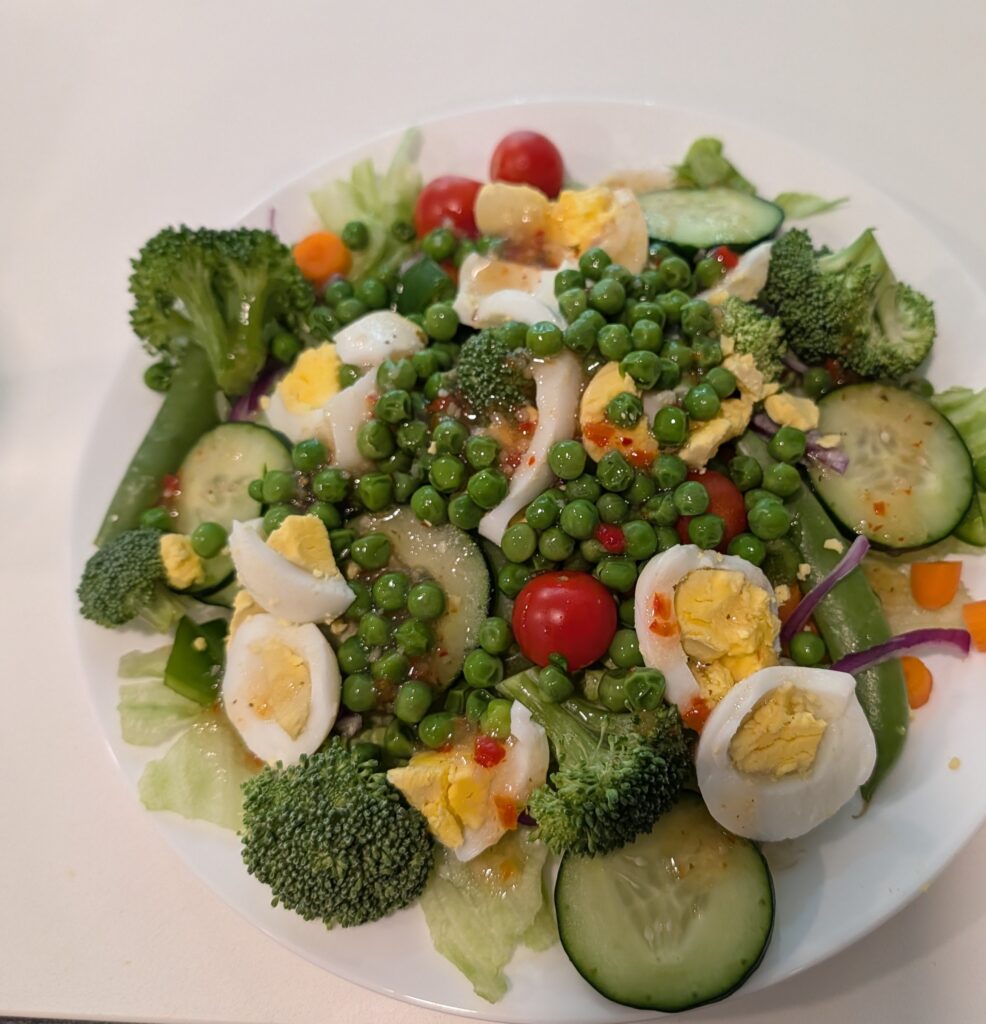
    This morning, I made a salad, and I cut the cucumbers unevenly and sprayed tomato water everywhere and had to text my mom every five minutes because I was scared of messing up hard-boiled eggs. But it was fun, and it was the best salad I’ve ever had because I was the one who made it (and also it was just genuinely an S-tier salad with all the toppings). 

    The aforementioned salad

    Obviously, I’m still working on all of this perfectionism stuff. When I was setting up this website, I spent like three hours trying to figure out how to add a “like” button to these posts. Gotta love external validation. 

    So why am I writing this? I have no idea. Originally, this post was going to be about perfectionism and encouragement to do all the things we’re “bad” at (and I think we eventually got there), but it’s sort of also ended up being some kind of self-therapy thing. I guess I’ll leave with this: we’re 10 days into the new year. It’s already (definitely) not a perfect year. But that’s ok. We’re still on the first draft. And while this isn’t like writing, and we can’t go back and “edit” the past, we can definitely still edit how we will respond in the future. 2026, like every other year, will be a year of mistakes and learning from those mistakes, and that’s perfectly ok. 

    P.S. anyone who finds the extra space in my previous post gets 5 extra credit points

    If you recognize this quote we need to be friends

    P.P.S. I have now added a “subscribe” button…do with that what you will

  • All About Me

    All About Me

    I am making this post with slight hesitation. As a recent college graduate who has spent [redacted for absurdity] amount of time in the job-searching trenches, my least favorite question has quickly become something along the lines of, “So, tell me a little bit about yourself.” 

    I just threw up in my mouth a little as I wrote that. 

    It’s so vague! What should I talk about? And what qualifies as a “little bit”??? You can look at a thousand different job interview “tip” websites and get a different answer on each one. And yes, I know, I’m overthinking it. 

    Anyway, all this to say, I’m starting a blog, and I have no idea what I’m doing. And as I was coming up with ideas for my first post, one of my thoughts was, “Well, maybe I should introduce myself.” But how to do it… I thought about going the “tell me a bit about yourself” route, but that unfortunately triggered a PTSD response from the job interviews, so it was quickly a “nope.” 

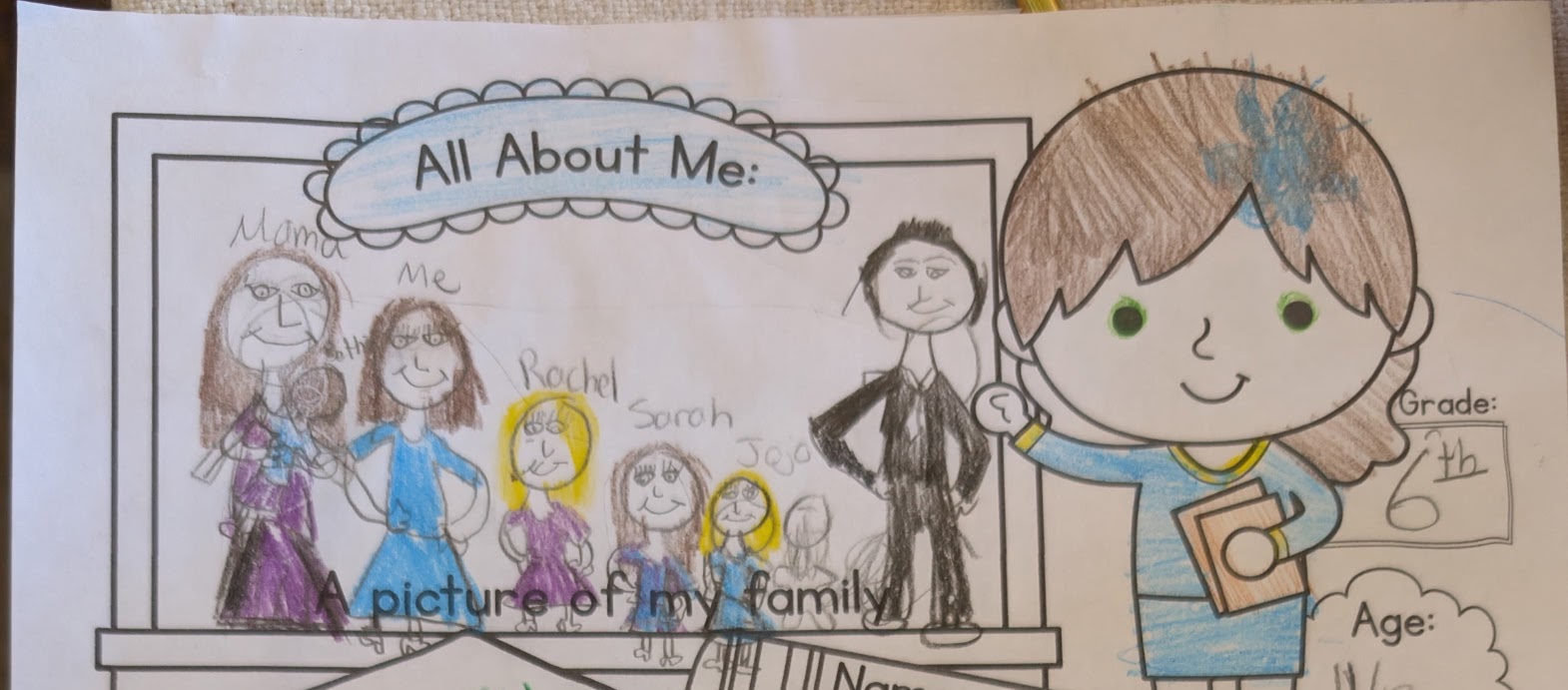
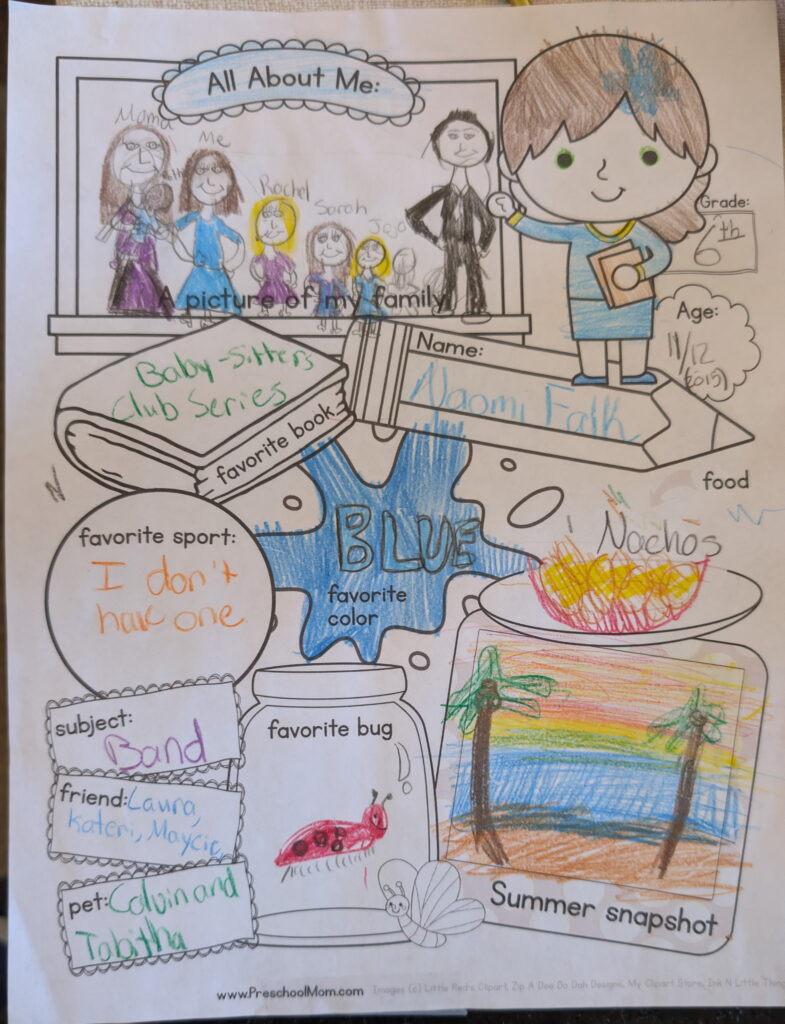
    Then I remembered another way I used to introduce myself: using one of those “All About Me” posters from elementary school. 

    You know the ones I’m talking about. Or at least, you should, especially if you’re a fellow Gen Z who was in elementary school during the 2000s/early 2010s. The way I remember it was that each week a new “student of the week” got to fill out the “All About Me” poster and present it to the class. You filled out your name, age, birthday, and there were categories like favorite color, favorite activities, favorite books…etc. 

    A goated way to introduce yourself for sure (it has very clear instructions on what to say), but the formatting would be a little awkward for the blog medium. 

    So, then I decided that this is my blog, and I can introduce myself however I want, and so this will be an introduction that is somewhere between “tell me a little bit about yourself” and an “All About Me” poster. 

    *clears throat* 

    Hi, my name is Naomi. I am 22 years old, I like to read and write, my favorite color is blue, and all I’ve ever wanted since I was young was to be able to tell people about myself.  

    Unfortunately, being a more naturally quiet person and never really knowing what to say or when to say it has made this…difficult. Maybe that’s why I loved making the “all about me” posters–I knew exactly what the people wanted. (I could expand on this; someday I might.) 

    I was an English major in college, something I am still very proud of (which is good, as it’s been less than a year since I graduated). Part of the reason I’m starting this blog is so that I still have something to write. I guess I’m finally over the burnout, and the realization that I can write anything that I want is exhilarating. Sure, it might be judged by the general public, but at least I know that nothing I write now will affect my grade point average. (At least, I don’t think so…can you get an ‘A’ in ‘blog’????) 

    I am also a Christian–something I probably should have mentioned before talking about being an English major (oops). I guess I’ll go ahead and mention that these aspects of my identity are in no particular order 😂. Now that I’m no longer attending a Christian university/living in a Christian community, I’m learning how to prioritize my relationship with Jesus in my life and in my schedule. It’s very different when you’re not attending mandatory chapel twice a week. 

    I have four younger sisters–a fact that is very useful in ‘two truths and a lie.’ It has also historically been useful for when I needed minions to do my bidding, although now that they’re older and discovering their free will, I’m losing my influence. 

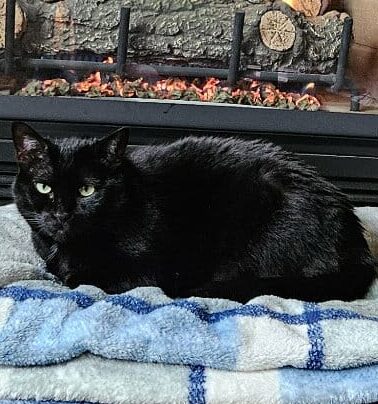
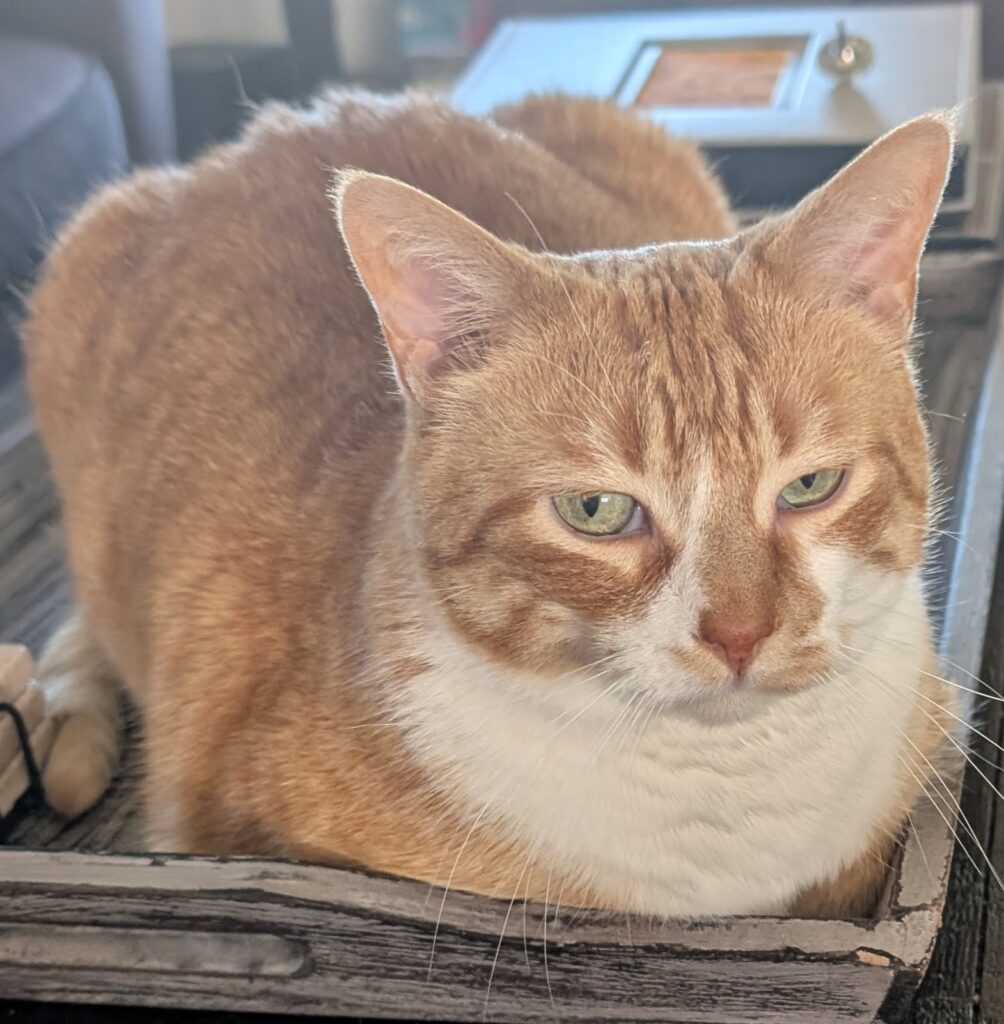
    I have two cats who can do no wrong and are the pride and joy of the entire family. The reason I know this is that my mom’s Facebook/Instagram page, which used to be 100% her children, is now 50% her children, 50% the cats . 

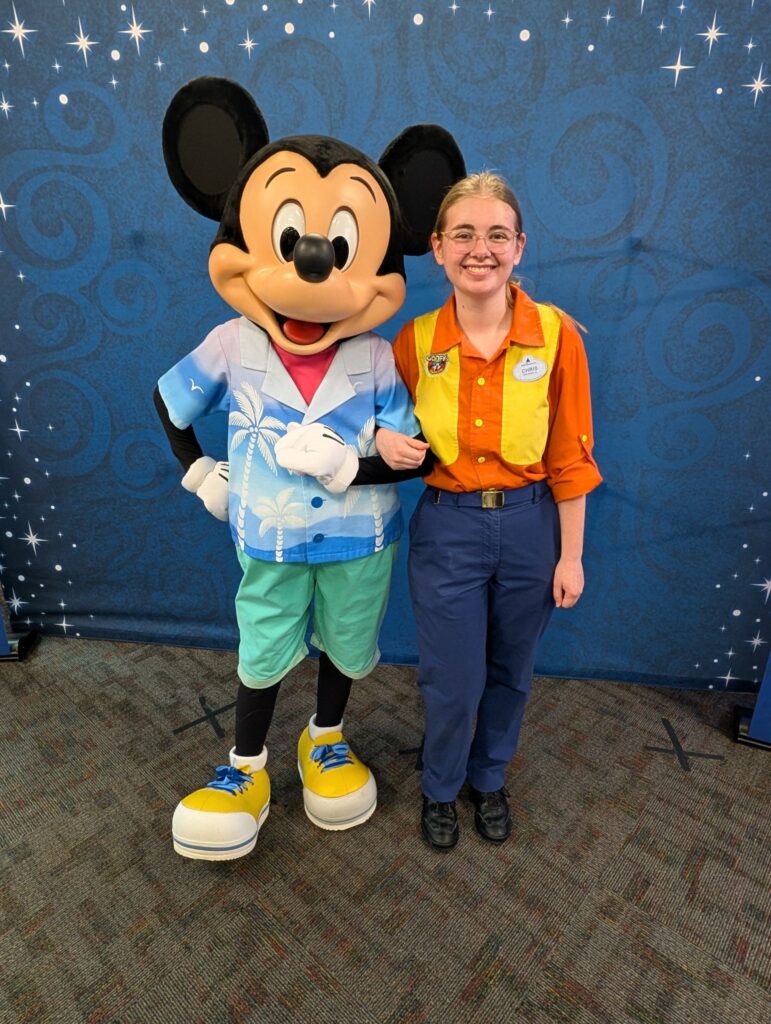
    As for the job, I currently have an internship at Walt Disney World on the Disney College Program, which has been a lot of work and a lot of fun. I’m in a merchandise role, and I’m really enjoying it, but I’d also really appreciate it if the guests would stop giving me colds and strep throat. I’ve extended my program through June which is really exciting! The opportunities I’ve had to meet and serve people from all over the world have been rewarding. 

    As the new year approaches, I’ve realized that in my busy schedule I’ve not made a lot of time to do the things I love (i.e. writing), hence: blog. I’m hoping that this can be a space for me to write whatever I want to write about, and hopefully it will become a nice time capsule for this ‘era’ of my life. Both of my parents have blogs from the early 2010s that they’ve since abandoned, but they’re fun for me to look back on, since many of the posts (especially my mom’s) are about me and my sisters when we were younger. 

    Honestly, what will probably happen is that I’ll look back on these blogs one day and cringe, as I do with all of my writing. But just because something is cringeworthy doesn’t mean it’s not worth doing–at least, that’s what I’ll keep telling myself. 

    P.S. Yes, I use em dashes in my writing. No, I do not use A.I.

    “All About Me” poster from 6th grade…I think this is actually a perfect encapsulation of who I was 😂
    (And I still don’t have a favorite sport!)